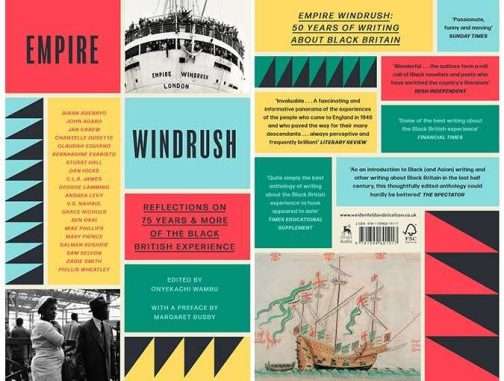
In this authoritative anthology, Empire Windrush: Reflections on 75 Years & More of the Black British Experience, journalist and writer, Onyekachi Wambu, collates some of the most significant writing to mark seventy-five years since the arrival of Empire Windrush at a critical juncture in modern British history, in June 1948.
The ship’s name is apt for undertaking the dual tasks of this broad-based and authoritative anthology: first, reflecting on the experience of seventy five years of ‘Windrush’ post-Brexit and the Second Elizabethan Age. Second, meditating on over a millennia of earlier ship arrivals and departures, carrying other human cargo, alongside the troubled intricate business of Empire.
Through poetry, fiction, journalism, essays and memoir, a line of fine writers from the Caribbean, Africa and Asia, including John Agard, Olaudah Equiano, Bernardine Evaristo, Stuart Hall, C.L.R. James, Andrea Levy, V.S Naipaul, Ben Okri, Mary Prince, Salman Rushdie, Zadie Smith, Phyllis Wheatley among others, bear witness to the ‘Empire’ in the Empire Windrush, providing longer historical perspectives and deeper understanding for its arrival in 1948, while excavating its multiple symbolic meanings in the continuing struggles for black freedom and equality. Empire Windrush: Reflections on 75 Years & More of the Black British Experience conjures a unique and powerful journey through the British past, present and future, via the prism of the Black imagination.
Empire Windrush: 50 Years of Writing About Black Britain (1998)
The first edition published in 1998 – Empire Windrush: 50 Years of Writing About Black Britain – edited by Onyekachi Wambu, unleashed a new wave of books and expanded academic discourse on the impact of black British writing, including James Procter’s Writing Black Britain 1948–1998 (2000); Deidre Osborne’s, The Cambridge Companion to British Black and Asian Literature 1945-2010 (2016); and Susheila Nasta and Mark U. Stein’s The Cambridge History of Black and Asian British Writing (2020).
Empire Windrush: Reflections on 75 Years & More of the Black British Experience (2023)
Since that first volume and subsequent detailed assessments, there has been an explosion of literary output by new generations of UK-based black and Asian authors. Their contributions have garnered recognition and the highest literary awards – with the Nobel prizes in 2020 and 2021 of V.S. Naipaul and Abdulrazek Gurnah leading the charge, followed by Booker/Orange prizes, and Poetry Medals, edging post-Windrush literature from the margins to the very centre of the British literary universe; and achieving critical and/or commercial success.
This new wave of writers plied their trade at a time when Britain was itself was undergoing a number of shattering upheavals, beginning with post-colonial wars and defeat in the Middle East, and the financial crash of 2008; the Brexit referendum in 2016 which led to Britain leaving the European Union in January 2020 after forty seven years of membership; and the Covid-Pandemic in 2020. Each of these seismic events has led to a questioning of British identity, and a fracturing of the United Kingdom despite increased devolution; anti-terrorism and immigration panics which partly explained the Windrush scandal, and the Black Lives Matter (BLM) protests which provoked a further intense reckoning with slavery, Empire, and colonialism.
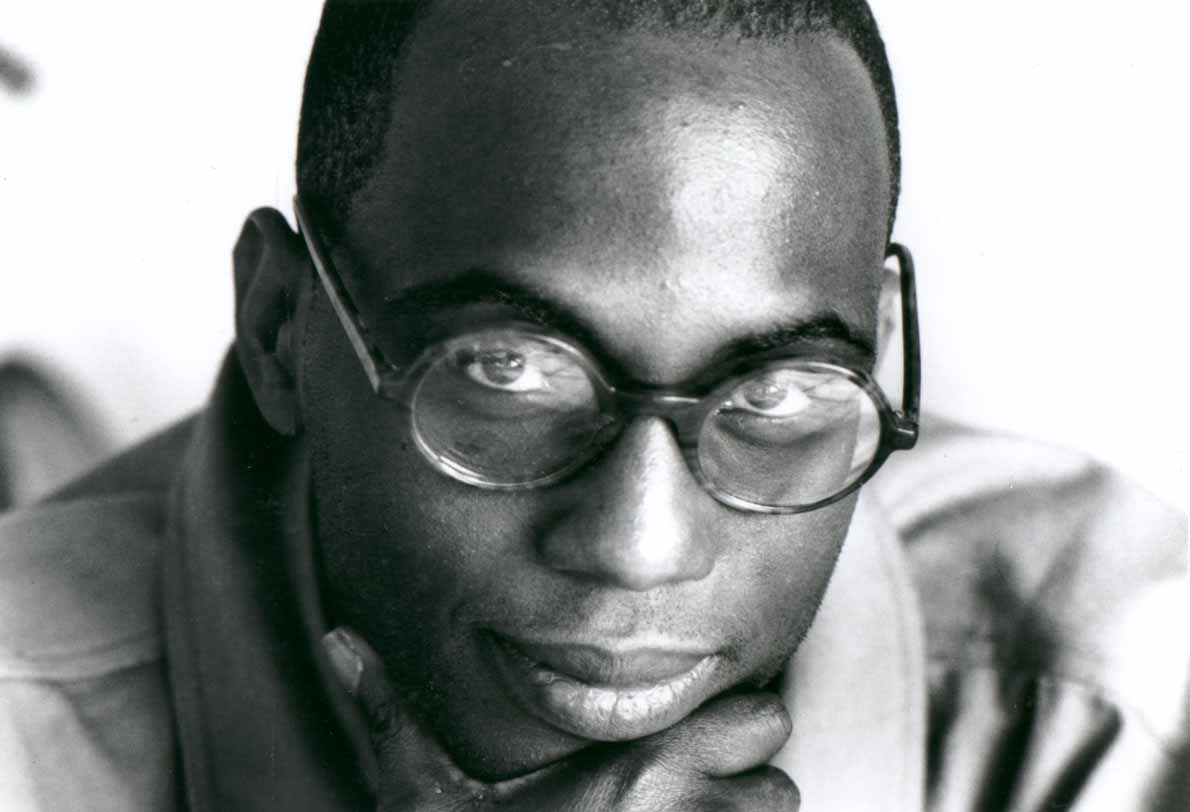 Born in Nigeria 1960, Onyekachi Wambu arrived in the UK after the Biafran war. From 1983 to 2002 he worked as a journalist and was editor of The Voice newspaper. He also directed documentaries for the BBC, Channel 4 and PBS. Since 2002, he has worked for the African Foundation for Development (AFFORD) – a charity with a mission to expand the contributions that Africans in the diaspora make to Africa’s development. He lives in South London.
The copyright to all the content of this site is held by the individual authors and creators. All rights reserved. Enquiries: please use the contact form